Down Payment Guide: How Much Should You Put Down?
Buying a home is one of the biggest financial decisions you’ll make, and choosing how much money to put down upfront can completely shape your long-term affordability. Many buyers worry about the minimum down payment, while others get confused by the popular 20% down myth, which often leads people to delay buying a home unnecessarily. In this detailed guide, you’ll learn how much you should realistically put down, how different down-payment levels change your mortgage, and whether a low or high payment is right for your situation.
1. What Is a Down Payment and Why It Matters
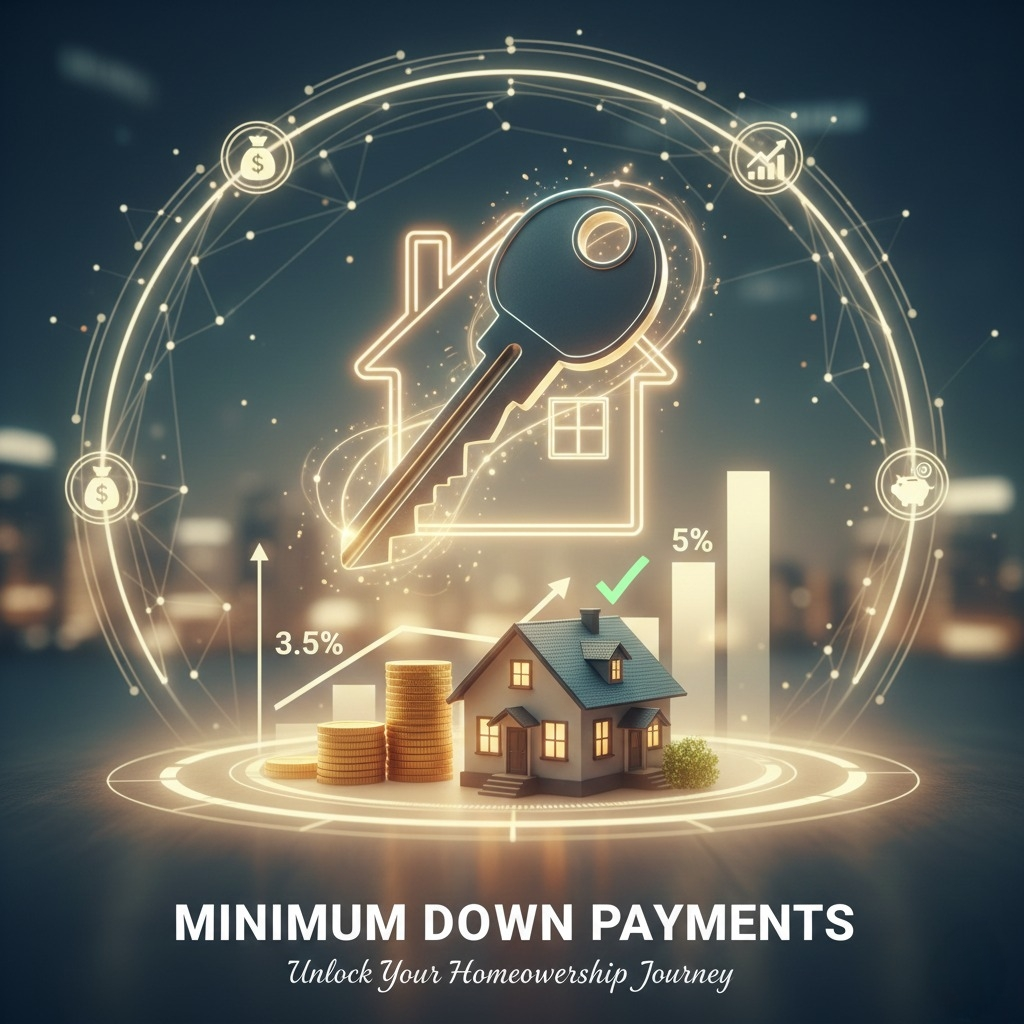
A down payment is the first lump sum you contribute toward the home’s purchase price. For years, buyers believed the 20% down myth, thinking that they must put 20% down to buy a home. While 20% does give strong advantages, it’s not required in most cases. Lenders today offer several mortgage options with a minimum down payment as low as 3% to 5%.
Understanding how much to put down matters because your down payment affects your mortgage amount, your interest rate, your monthly finances, and your overall affordability. Whether you follow the 20% down myth or choose a lower minimum down payment, the right choice depends on your financial comfort, goals, and available savings.
2. Understanding the Basics of Down Payments
A down payment isn’t just a number—it influences loan approval, monthly payments, mortgage insurance, and your long-term homeownership plan. Many first-time buyers assume the 20% down myth applies to all mortgages, but in reality, lenders only require the minimum down payment, and anything above that is optional.
Your ideal amount depends on:
- Your income stability
- Savings available
- Credit score
- Interest-rate environment
- Your future financial plans
Knowing the difference between a minimum down payment and the 20% down myth helps you avoid unnecessary delays and make smarter decisions.

3. 5%, 10%, 20% — What Changes?
3.1 When You Put Down 5%
A 5% minimum down payment is common for conventional loans. This amount works well for buyers who want to enter the market sooner. However, because 5% doesn’t meet the 20% down myth, you’ll pay PMI and slightly higher monthly payments. Still, it is often the most accessible option for first-time buyers.
3.2 When You Put Down 10%
A 10% down payment is a middle-ground approach. It’s more than the minimum down payment but still significantly lower than the 20% down myth. You’ll benefit from reduced PMI costs, better loan terms, and greater lender confidence.
3.3 When You Put Down 20%
Putting down 20% eliminates PMI, lowers interest rates, and provides instant equity. This is where the 20% down myth originated. While 20% is ideal, it is not a minimum down payment requirement. Many people wait years to save 20% and miss good buying opportunities because they believe the 20% down myth is mandatory.
4. Benefits & Risks of Low vs High Down Payments
4.1 Benefits of a Low Down Payment
A low minimum down payment helps you buy a home earlier. You save time, keep more cash for emergencies, and avoid draining your bank account. This flexibility is especially valuable in rising markets, where waiting to meet the 20% down myth often means paying more later.
4.2 Risks of a Low Down Payment
Lower down payments create higher monthly obligations. Since you’re not following the 20% down myth, you must pay PMI and face higher interest rates. Your equity also grows slower. But as long as you can comfortably manage the payments, the low minimum down payment is still a valid choice.
4.3 Benefits of a High Down Payment
Putting down more—especially the classic 20%—gives stronger financial advantages. You avoid PMI, secure better interest rates, and reduce your monthly costs. However, remember that the 20% down myth makes some buyers over-prioritize this number even when a lower minimum down payment makes more sense for their lifestyle.
4.4 Risks of a High Down Payment
The biggest risk of following the 20% down myth is draining your savings. Buyers often wipe out their emergency funds just to reach 20%, when a smaller minimum down payment would have been perfectly acceptable. Depleting your cash can leave you financially vulnerable to repairs, relocation needs, or job changes.
5. How Down Payment Affects Affordability
Your affordability is shaped by how much you put down. The lower your down payment, the higher your mortgage balance and monthly EMI. Because the 20% down myth pushes buyers to save longer, many miss out on homes they could afford with just the minimum down payment.
Key ways down payment affects affordability:
- Monthly mortgage cost
- Interest rate
- PMI cost
- Long-term interest paid
- Your debt-to-income ratio
Affordability is not about following the 20% down myth, but finding a balance between comfort, stability, and financial confidence. Sometimes the best choice is meeting just the minimum down payment to preserve cash.
6. How to Decide the Right Down Payment for YOU
Choosing your ideal amount comes down to personal financial health, goals, and market conditions. Consider the following:
• Your liquid savings
Don’t drain all cash chasing the 20% down myth if a minimum down payment keeps you financially secure.
• Your monthly comfort
A higher down payment reduces monthly payments. A lower down payment increases them. Compare both carefully.
• Your loan eligibility
Some loans require only a small minimum down payment, which may make more sense than waiting for 20%.
• Your long-term plans
If you plan to move within 5–7 years, the benefits of the 20% down myth are often less impactful.
7. Tips to Save for a Down Payment Faster
- Automate monthly savings
- Use high-yield savings accounts
- Cut unnecessary expenses temporarily
- Explore down-payment assistance programs
- Avoid the trap of delaying because of the 20% down myth
- Set a realistic goal based on the minimum down payment and work upward
Following these steps helps you buy sooner—without stress.
8. Final Thoughts
There is no one-size-fits-all answer for how much you should put down. Some buyers comfortably meet the 20% down myth, while others wisely choose a lower minimum down payment to keep their finances flexible. The key is choosing an amount that fits your lifestyle, reduces stress, and aligns with your long-term goals.
If you stay focused on affordability rather than myths, you’ll make a confident, financially smart homebuying decision.