
How Your Credit Score Affects Home Affordability: Credit Score for Mortgage
1. Introduction : Why Your Credit Score Is Important When Buying a Home
Your credit score for mortgage is one of the most important things that will help you get a mortgage and buy a home. Lenders use your credit score to figure out how well you’ve paid back money you’ve borrowed in the past. A higher score makes them sure that you will pay back future loan payments on time, which is why it’s easier to get a loan with a good score.
Your credit score is also a way for lenders to see how reliable you are with money. A high score means that you are good at managing credit, keeping your balances low, and making payments on time. This lets lenders give better loan terms, lower interest rates, and more flexible ways to pay back the loan.
A good credit score makes it easier to buy a home because even a small change in interest rates can make your EMI go up or down a lot. For instance, people with higher scores often qualify for lower EMIs, while people with bad credit may end up paying thousands more over the life of the loan. This is why it’s important to raise your score before you apply for credit score for mortgage if you want to get the best deal possible and improve your credit.


2. What is a credit score, and how do you figure it out?
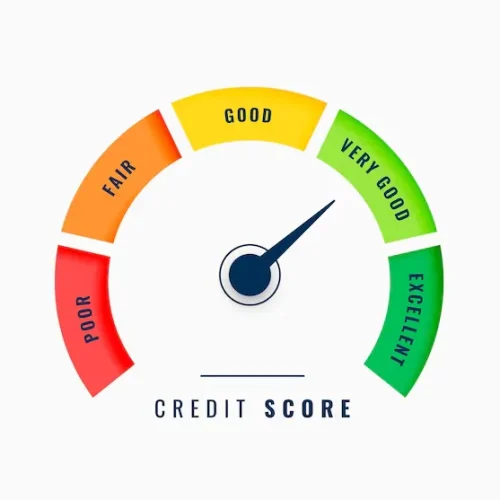
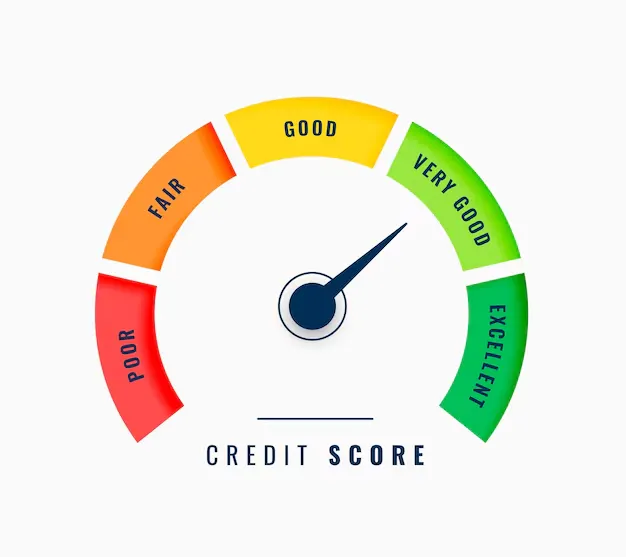
A three-digit number called a credit score tells lenders how reliable you are as a borrower. Lenders use this score to figure out how risky you are when you apply for a credit score for mortgage are usually between 300 and 850, with higher numbers showing better financial discipline.
There are many things that go into figuring out a credit score, such as:
Important Things That Affect Your Credit Score
- Payment history (35%)—how often you pay your bills on time
- Credit utilisation (30%) is the amount of credit you use compared to your limit.
- Length of credit history (15%)—more trust comes from older accounts
- New credit (10%): Asking for credit too often lowers your score.
- Credit mix (10%) is a mix of loans and credit cards.
A good score makes it easier to buy a home because lenders know that buyers will always pay their bills on time. If you have a higher score, you’ll pay less interest, have fewer loan restrictions, and be able to get better mortgage programs. Good money habits for months before applying can help you get a better improve credit to buy a home and cut the cost of long-term loans by a lot.
3. The lowest credit scores needed for FHA, VA, and conventional loans
It’s important to know the minimum credit score requirements when you apply for a mortgage. The rules for each loan program are different, and they all have an effect on your credit score for mortgage.
Minimum Score Requirements
- Most of the time, conventional loans need a score of at least 620. Some lenders may offer better interest rates if your score is 660 or higher.
- FHA loans let you have a score as low as 580 and a down payment of 3.5%. People with scores between 500 and 579 may qualify, but they will need to make a bigger down payment.
- VA Loans don’t technically have a minimum score, but most lenders like scores between 600 and 620 for easier approval.
Overlays from lenders
Lenders often use stricter internal rules called overlays, even though there are official government guidelines. For instance, a bank might want a score that is higher than the minimum to lower risk.
Knowing what these requirements are will help you pick the best loan and help you plan how to raise your improve credit to buy a home.
4. How your credit score affects interest rates and your monthly mortgage payments
The interest rate a lender gives you is directly related to your credit score for mortgage. Banks give borrowers better rates when their scores are higher because higher scores mean lower risk. Even a 0.5% difference can make a big difference in how much you pay back over 15 to 30 years.
How Higher Scores Help You Get Lower Interest Rates
- Lower EMI every month
- More choices for loans
- Lower cost of borrowing over time
Scenario Example
- Higher interest rate → Higher EMI for a buyer with a 650 credit score
- Buyer with a 750 credit score pays less interest and less EMI.
The buyer with 750 could save lakhs in total interest over the course of a 30-year loan compared to the buyer with 650. This clearly shows why it’s so important to improve your credit before you apply for a home. A small increase in your score can make it easier to buy a home and help you get a better loan.

5. How your credit score affects the amount of the loan and the down payment you need
Lenders look at your credit score when deciding how much money they can safely lend you improve credit to buy a home. A higher score makes them believe that you can handle bigger loan payments, which raises the amount of money you can borrow.
How Your Credit Score Affects the Amount of Your Loan
- Higher score = higher loan limit
- Low score = Less chance of getting a loan
You might also have to pay a higher down payment if your score is lower. This makes up for the risk that people think your credit score for mortgage. Your credit score also has an effect on your DTI (Debt-to-Income Ratio). If your score is low, lenders may think that your bad money habits could cause you to miss payments, so they may limit the amount of the loan or raise the amount of the down payment.
Improving your score helps with these problems and makes it easier to afford a home. When you improve credit to buy a homee, you can get more loan options and have more flexible down payment terms.
6. Ways to Improve Your Credit Score Before Buying a House
You need to start improving your credit score for mortgage if you want the best credit score. A good credit score can lower your interest rate, EMI, and the total amount you owe on your loan.
Fast Ways to Raise Your Score
- Pay off your credit card bills
- Fight mistakes on your credit report
- Make sure to pay all your bills on time.
- Lower your credit usage to less than 30%
Habits that last a long time
- Keep a history of on-time payments
- Keep credit accounts that are older open
- Don’t apply for more than one new loan at a time.
- Get small loans and pay them back on time.
The most important rule is not to make any big changes to your finances before you apply for a home loan. Getting ready early gives lenders a good idea of your financial situation and helps you improve your improve credit to buy a home that you can afford.
7. Things that homebuyers often do wrong with their credit scores
A lot of people who want to buy a home hurt their credit score for mortgage without even knowing it. You can avoid high interest rates and loan rejection by knowing these mistakes.
Mistakes That Happen Often
Checking the score too late— A lot of the time, it’s too late to fix big problems by the time buyers see their low score.
- Closing old credit accounts shortens your credit history and lowers your score.
- Not making small payments on time—Even one late payment can lower your score a lot.
- Using a lot of credit cards—more than 30% of your limit—makes lenders nervous.
If you want to improve credit to buy a home so you can buy a house, you need to avoid these mistakes. You can keep your credit clean by keeping an eye on your spending and getting ready early.
8. Last Thoughts: To make your home more affordable, build good credit.
Your credit score for mortgage is a big factor in the interest rates, loan approval, monthly payments, and total cost of owning a home. A higher score can save you thousands of dollars over the life of the loan and make buying a home less stressful.
Before you talk to lenders, make sure you know your credit score, fix any mistakes, build good credit habits, and pay off any debts you already have. If you work on improve credit to buy a home, you may be able to get a bigger loan with lower interest rates.
Planning ahead helps you get a home that fits your budget and long-term financial goals, and it also makes sure you don’t have any financial surprises.