Mortgage Types Explained: Which One Fits Your Budget?
Buying a home is a big financial milestone and choosing the right mortgage is one of the most important decision’s you will make during the entire process. The type of home loan you choose can affect your monthly payment long term affordability interest rate stability and even your approval chances. With so many options available it is normal to feel overwhelmed. That’s why understanding different mortgage types especially the fixed vs variable mortgage options and government backed choices like FHA vs conventional loan is essential for first time buyers and repeat buyers alike.
This detailed guide breaks down every major mortgage category compares them side by side and shows how each one can impact your long term budget. By the end you will know exactly which mortgage type aligns best with your financial goals risk tolerance and home ownership timeline.
1. Understanding Fixed vs Adjustable Mortgages
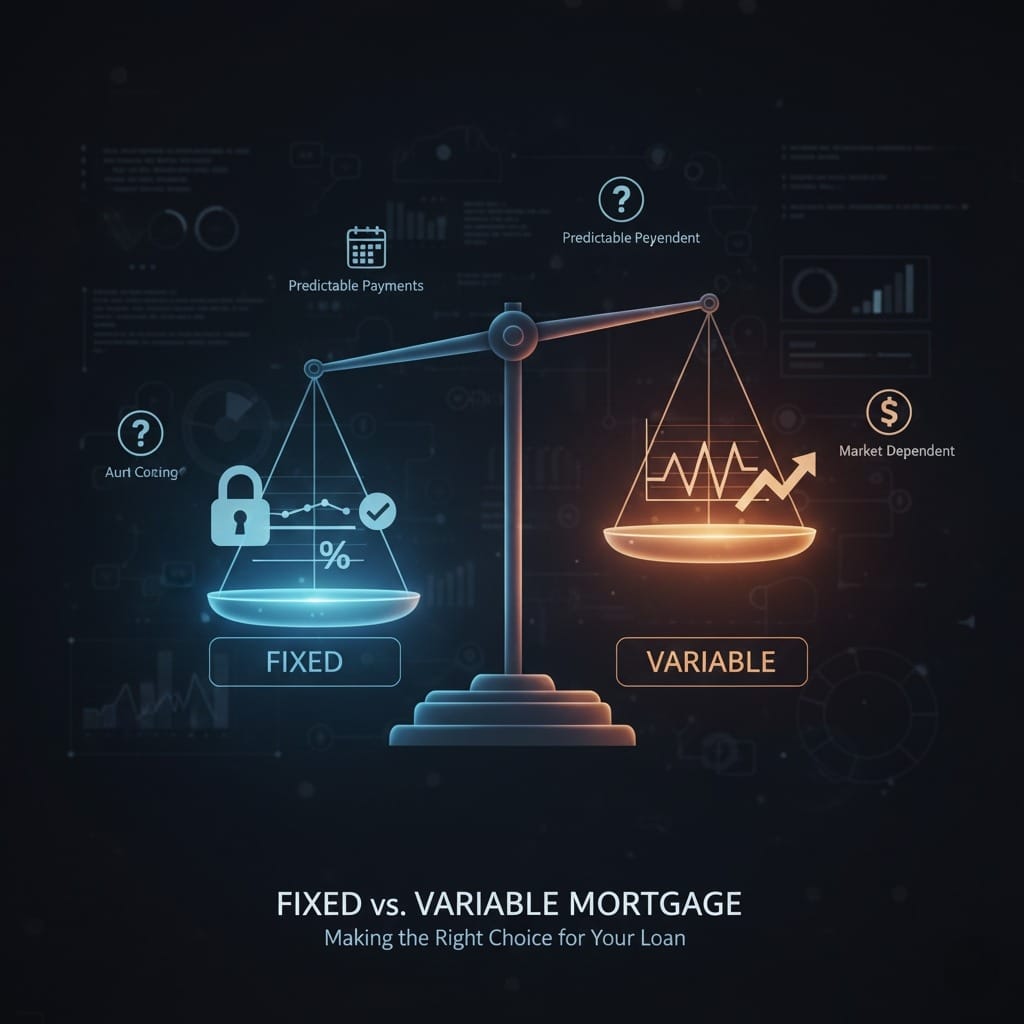
The first major decision most homebuyers face is whether to choose a fixed vs variable mortgage. These two loan structures differ in how interest rates behave over time and that directly affects your monthly payments.
1.1 Fixed-Rate Mortgages: Stability Above All
A fixed rate pledge keeps the same interest rate for the entire loan period whether it is 15, 20, or 30 years. This means your principal + interest payment stays predictable.
Benefits of a Fixed-Rate Mortgage
- Long term payment stability
- Easier budgeting
- Protection when market interest rates rise
- Ideal for long term homeowners
People who prefer reduced financial risk often choose fixed rates because they eliminate payment surprises. If you plan to live in your home for many years the fixed option is usually the safer side of the fixed vs variable mortgage comparison.
1.2 Adjustable-Rate Mortgages (ARMs): Flexibility With Risk
An adjustable mortgage often referred to as a variable rate mortgage changes over time. It usually starts with a low introductory rate that eventually adjusts based on a specified index.
Benefits of an Adjustable-Rate Mortgage
- Lower initial interest rate
- Lower early payments
- Potential savings if rates drop
- Good for short term homeowners
However monthly payments may increase after the adjustment period. Homebuyer’s must compare the fixed vs variable mortgage structure carefully to determine whether they can handle future payment changes.
1.3 Which Option Fits Your Budget Best?
When choosing between a fixed vs variable mortgage consider:
- How long you plan to stay in the home
- Your risk tolerance
- Future income expectations
- Whether rising interest rates would strain your budget
If stability matters most fixed is usually best. If you are looking for short term savings and can handle rate fluctuations adjustable may offer better affordability.
2. Conventional vs FHA vs VA Loans: Which Is Right for You?
The next major decision is choosing between government backed loans and traditional pledges. This is where understanding FHA vs conventional loan differences becomes crucial.
2.1 Conventional Loans: Best for Strong Credit Borrowers
A conventional mortgage is not backed by government insurance. This means lenders take on more risk and set stricter requirements.
Who Should Choose a Conventional Loan?
- Borrowers with good credit
- Buyers with stable income
- Those who can afford a larger down payment
A common comparison is FHA vs conventional loan and conventional loans are typically better for buyers with credit scores above 680 who want lower long term costs. If you can afford a 20% down payment you can even avoid pledge insurance making your monthly payments significantly lower.
2.2 FHA Loans: Designed for First-Time Buyers
FHA loans are backed by the Federal Housing Administration and are known for being buyer friendly. They allow lower credit score’s smaller down payments and more flexible financial criteria.
Key Benefits of FHA Loans
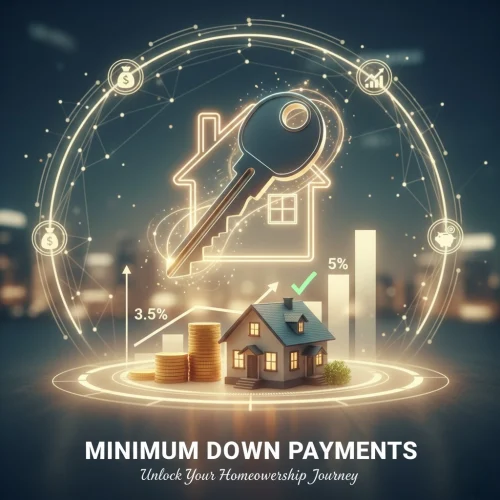
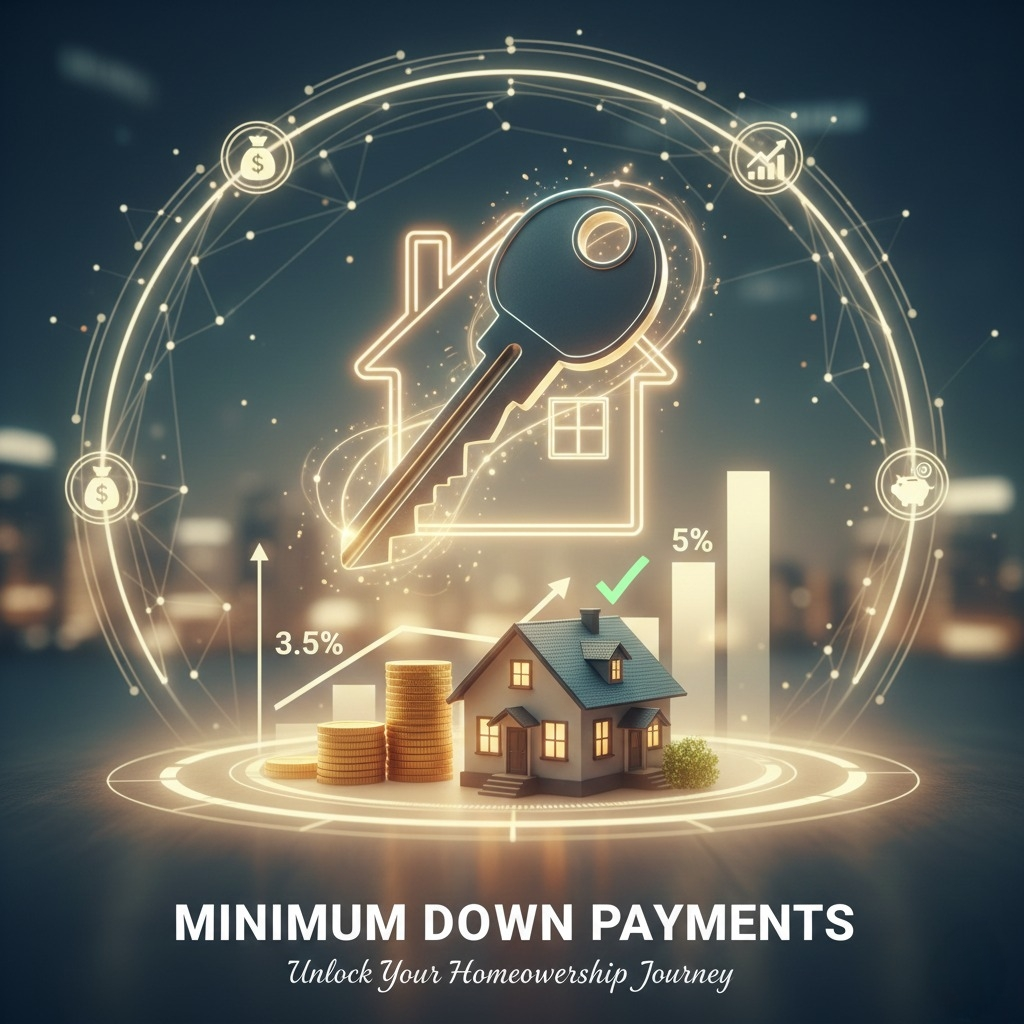
- Down payments as low as 3.5%
- Acceptable credit scores starting around 580
- More lenient debt-to-income requirements
The FHA vs conventional loan debate usually comes down to affordability vs long term savings. FHA makes it easier to qualify but conventional may cost less over 10 to 30 years.
2.3 VA Loans: Exclusive and Highly Affordable
VA loans are backed by the Department of Veterans Affairs and are available only to eligible veterans active duty service members and certain military spouses.
Advantages of VA Loans
- No down payment
- No mortgage insurance
- Competitive interest rates
- Flexible credit requirements
Among the three (Conventional, FHA, VA), VA loans often deliver some of the best affordability if you qualify.
3. FHA vs Conventional Loan: Detailed Side-by-Side Comparison
Since most buyers struggle with this choice here’s a deeper look into the FHA vs conventional loan differences and how each affects long term costs.
3.1 Down Payment Requirements
- FHA: 3.5% minimum
- Conventional: 3% minimum, but 20% avoids mortgage insurance
If you have limited savings FHA offers more flexibility. But if you want to avoid long term insurance cost’s conventional may be better.
3.2 Mortgage Insurance
- FHA: MIP for the entire loan unless you refinance
- Conventional: PMI can be removed after reaching 20% equity
This is a major deciding factor in the FHA vs conventional loan comparison because long term FHA insurance can make your home much more expensive.
3.3 Credit Score Requirements
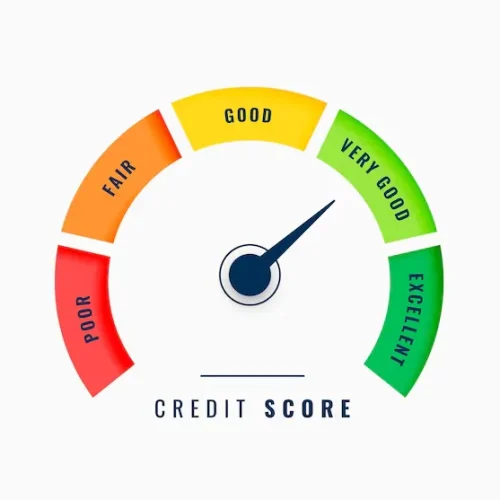
- FHA: Acceptable around 580
- Conventional: Typically 620 or higher
Buyers with lower scores usually choose FHA but once your credit improves conventional becomes more cost effective.
3.4 Long-Term Affordability
FHA loans win in upfront affordability but conventional loans often win in long term savings. Understanding the FHA vs conventional loan trade off helps buyers choose based on their financial goals.
4. How Each Loan Type Impacts Affordability
Choosing between fixed and adjustable or comparing FHA vs conventional loan, directly impacts how much you pay monthly and over the loan’s lifetime.
Here’s how each loan type affects your long term budget:
4.1 Fixed-Rate Loans
- Advantage: Predictable payments
- Disadvantage: Higher initial interest rate
Strongest option for long term buyers prioritizing stability.
4.2 Adjustable-Rate Loans
- Advantage: Lower first 3–10 years of payments
- Disadvantage: Potential rate increases
These can be budget friendly in the short term making the fixed vs variable mortgage debate important for buyers expecting income growth.
4.3 FHA Loans
More affordable upfront especially with smaller savings. Many buyers prefer FHA when a low down payment is the only feasible option.
4.4 Conventional Loans
Typically cheaper across 30 years especially if you maintain good credit and build equity.
In most cases comparing FHA vs conventional loan options reveals that conventional pledges win with long term financial efficiency.
4.5 VA Loans
Often the most affordable option for qualified buyers zero down payment and no Pledge insurance create a powerful budget advantage.
5. Which Mortgage Type Fits Your Budget Best?
Choosing your ideal mortgage is about balancing risks long term goals and monthly affordability.
Choose a Fixed-Rate Mortgage if:
- You hate payment fluctuations
- You plan to stay in the home long term
- You prefer stable budgeting
Choose an Adjustable-Rate Mortgage if:
- You’re buying a short term home
- You want lower initial payments
- You believe rates may drop
This is the heart of the fixed vs variable mortgage decision risk tolerance vs payment stability.
Choose FHA if:
- You have lower credit
- You want a smaller down payment
- You need easier approval
Choose Conventional if:
- You have strong credit
- You want to remove PMI later
- You want the lowest long term cost
Understanding this FHA vs conventional loan comparison helps you choose the best financial path.
Choose VA if:
- You are eligible
- You want the lowest upfront cost
- You want the lowest monthly mortgage cost
6. Final Thoughts
Choosing the right pledge is not just about getting approved.it is about setting yourself up for long term financial success. Whether you are comparing fixed vs variable mortgage options or choosing between FHA vs conventional loan your decision will shape your budget for years to come.
The best mortgage is the one that matches:
- Your income stability
- Your savings
- Your risk tolerance
- Your long term goals
- Your credit health
- Your timeline in the home
With clarity research and the insights in this guide you can confidently select the pledge type that supports your financial future not strains it.